Strategic relationships
The architecture of relationships
Strategic relationships are structures. Their strength depends on clear roles, shared direction, and how well they hold up under load.
· 5 min read
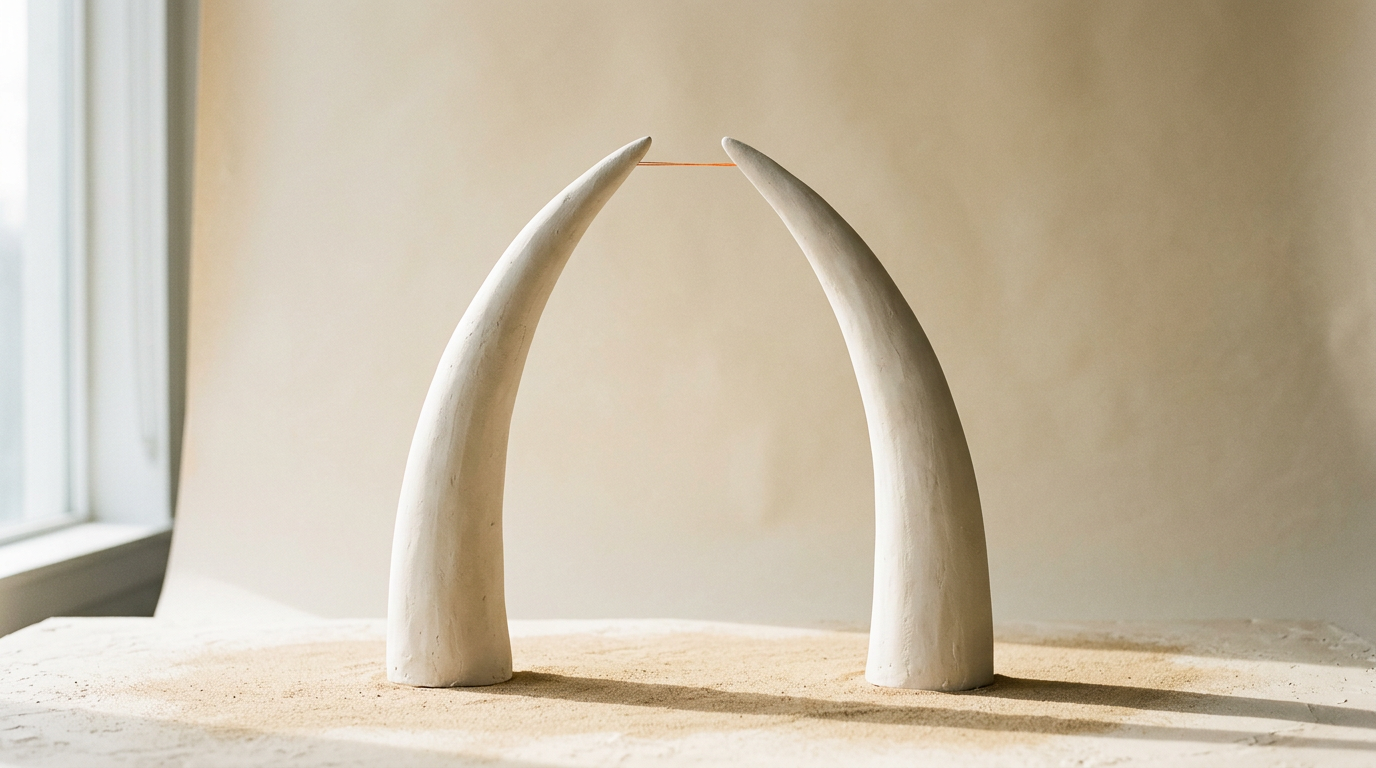
An enterprise is rarely a single organization. It is a set of businesses, initiatives, partners, and people connected by decisions about how they will work together. The quality of those connections often matters as much as the quality of any individual part.
It helps to think of relationships the way an architect thinks of structure. Every element carries some load. Some elements are designed to be permanent; others are meant to support a phase of construction. Problems tend to arise when the role of an element is unclear.
Clarity of role
The most productive relationships begin with a shared understanding of what each party contributes. An operating business, a technology initiative, a capital partner, and a governance participant each bring something different. When those contributions are named and respected, collaboration becomes easier, because each party knows where its responsibility begins and ends.
Clarity also protects the relationship over time. As circumstances change, a well-defined structure can be adjusted deliberately rather than renegotiated under pressure.
Shared direction
Relationships hold together best when the parties are oriented toward the same horizon. This does not require identical priorities. It requires agreement on the larger direction, so that individual decisions, even when made independently, tend to reinforce each other.
Holding under load
The real test of any structure is how it behaves under stress. Relationships are no different. The moments that define a partnership are rarely the easy ones; they are the periods of transition, uncertainty, or change, when the commitment of each party becomes visible.
Relationships designed with that test in mind, with clear roles, open communication, and a shared sense of purpose, tend to become stronger through those moments rather than weaker.